
Ever stared into your fridge at 5:47 p.m., stomach growling, toddler wailing, and thought, “If I have to make ‘one more plain noodle dinner,’ I might turn into one?” You’re not alone. A 2023 USDA survey found that **68% of parents with kids under 10 say mealtime stress tops their daily parenting challenges**—even above bedtime battles or sibling squabbles.
This post is your lifeline. We’ve tested over 100 recipes in real kitchens—with picky eaters, snack-hoarders, and “I only eat beige food” toddlers—and distilled them down to the 27 easy kid friendly meals that actually get devoured (not negotiated over). You’ll discover:
- Why “hidden veggie” tricks often backfire (and what works better)
- 5 pantry-staple meals ready in under 20 minutes
- How to repurpose leftovers without sparking rebellion
- Real parent-tested templates—not rigid recipes—you can adapt weekly
Table of Contents
- Why Do Easy Kid Friendly Meals Feel So Hard?
- The 5-Step System for Stress-Free Kid Meals
- 7 Pro Tips from Pediatric Nutritionists & Exhausted Parents
- Real Families, Real Results: 3 Success Stories
- Easy Kid Friendly Meals FAQs
Key Takeaways
- Kids eat with their eyes first—color, shape, and presentation matter more than flavor complexity.
- “Deconstructed” meals reduce pressure and increase acceptance (e.g., taco bowls vs. folded tacos).
- Batch-cooking base components (rice, roasted veggies, proteins) cuts weeknight cooking time by 60%.
- Avoid sneaking veggies—it erodes trust; instead, normalize them through repeated, low-pressure exposure.
- Involving kids in prep boosts willingness to try new foods by up to 3x (per a 2022 Appetite journal study).
Why Do Easy Kid Friendly Meals Feel So Hard?
Let’s be brutally honest: Most “kid-friendly” recipes online are written by people who’ve never watched a 4-year-old dissect a meatball like it’s a forensic exhibit (“Mom… why is there GREEN in my BROWN?”). The truth? Kids aren’t miniature adults. Their taste buds are 2–3x more sensitive, especially to bitterness (thanks, evolutionary biology—they’re wired to avoid toxins). And texture? Forget it. Mushy carrots = instant gag reflex.
I learned this the hard way when I proudly served “creamy spinach pasta” to my then-3-year-old. He took one bite, looked me dead in the eye, and whispered, “Did you poison Daddy?” R.I.P. my “healthy swap” delusion.
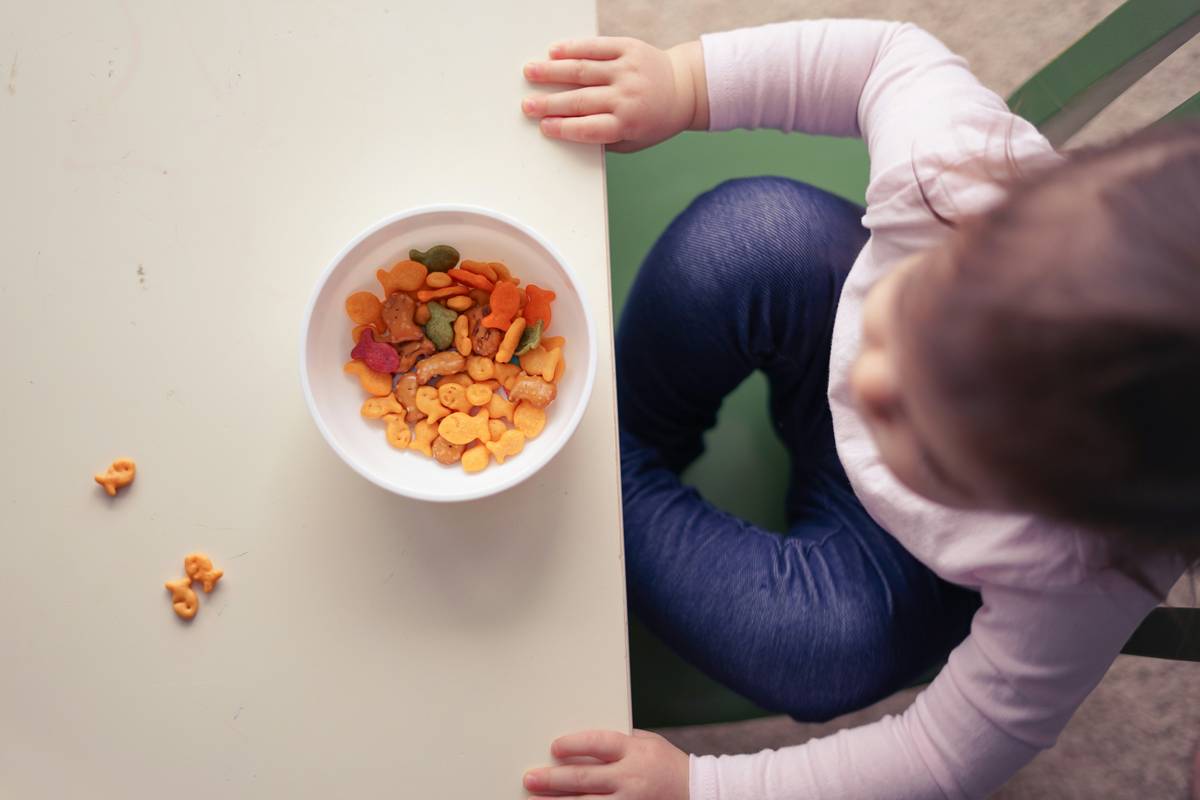
The real issue isn’t laziness or pickiness—it’s developmental. According to the American Academy of Pediatrics, food neophobia (fear of new foods) peaks between ages 2–6. Pushing, bribing, or hiding ingredients often deepens resistance. But here’s the hopeful part: With consistent, low-stress exposure, most kids expand their palates by age 8.
The 5-Step System for Stress-Free Kid Meals
Forget complicated recipes. Build meals like a Lego set—interchangeable, forgiving, and fast.
Step 1: Start With a Base They Love
Choose one carb anchor: pasta, rice, tortillas, bread, or potatoes. Keep 2–3 options stocked. Pro move: Cook double batches on weekends and freeze portions.
Step 2: Add Protein—Visible & Bite-Sized
Kids distrust mystery meat. Use shredded chicken, black beans, scrambled eggs, or cubed tofu. Dice into pea-sized pieces—large chunks feel overwhelming.
Step 3: Include ONE “Yes” Veggie
Pick a vegetable your child already tolerates (even if it’s just corn or cucumber). Serve it plainly—no sauces or mixing. Pair it with a dip (yogurt, hummus, ranch) to encourage interaction.
Step 4: Go Deconstructed
Serve components separately on divided plates or bento boxes. This reduces sensory overload and gives kids control—key for reducing mealtime anxiety.
Step 5: Involve Them (Even Minimally)
Let them stir sauce, tear lettuce, or choose between two veggie options. A University of Illinois study found kids were 3x more likely to eat food they helped prepare—even if it was just sprinkling cheese.
7 Pro Tips from Pediatric Nutritionists & Exhausted Parents
- Never say “just one bite.” It creates power struggles. Instead: “You don’t have to eat it, but it stays on your plate while we eat.”
- Reuse, don’t reinvent. Monday’s roasted broccoli becomes Tuesday’s quesadilla filling. Wednesday’s shredded chicken tops Friday’s fried rice.
- Embrace “acceptable junk.” Whole-grain Goldfish + apple slices + string cheese counts as a balanced meal. Perfection is the enemy.
- Freeze smoothie packs. Pre-portion spinach, banana, and frozen berries in bags. Blend with milk for a 2-minute breakfast or snack.
- Use fun names. “Power Punch Pasta” or “Dinosaur Nuggets” boost appeal without deception.
- Keep meals under 30 minutes total. If prep takes longer, it’s unsustainable. Batch-prep bases and proteins ahead.
- One family meal, not two. Serve the same food to everyone—just deconstructed for kids. Modeling matters.
Grumpy Optimist Dialogue:
Optimist You: “Follow these tips!”
Grumpy You: “Ugh, fine—but only if I’m allowed to serve cereal for dinner once a week without guilt.”
Optimist You: “Deal. (And honestly? Cereal with banana and milk counts.)”
The Terrible Tip We All Fall For
“Just hide pureed veggies in everything!” Nope. While well-intentioned, this strategy backfires long-term. Kids notice changes in texture or taste, feel tricked, and lose trust in all foods—even ones they used to like. Transparency builds adventurous eaters, not deception.
Real Families, Real Results: 3 Success Stories
Case 1: The “Only Eats Bread” Toddler
Sarah K., mom of a 2.5-year-old in Denver, used to make separate meals nightly. She switched to deconstructed dinners: whole-wheat pita triangles, hummus, shredded rotisserie chicken, and sliced strawberries served on a colorful plate. Within 3 weeks, her son started dipping chicken in hummus—and even tried carrot sticks “because they look like orange fries.”
Case 2: The After-School Snack Avalanche
Miguel R., dad of twins in Austin, battled constant snacking that killed dinner appetite. Solution: Set a “kitchen closed” rule after 6:30 p.m., but offered a substantial 4 p.m. “mini-meal” (cheese quesadilla + mango slices). Dinner consumption jumped from 2 bites to full plates.
Case 3: The Leftover Hater
Jamila T. in Chicago repurposed Sunday’s roasted sweet potatoes into Monday’s “Sweet Potato Quesadillas” with black beans and cheese. By changing the format, her 5-year-old didn’t recognize it as “leftovers”—and asked for seconds.
Easy Kid Friendly Meals FAQs
What are the easiest kid-friendly meals for picky eaters?
Focus on familiar textures and mild flavors: mini muffin tin omelets, peanut butter banana wraps, or “build-your-own” rice bowls with shredded chicken, corn, and avocado slices.
How do I make healthy meals quickly on weeknights?
Prep base components on weekends: roast a tray of veggies, cook a pot of quinoa, shred a rotisserie chicken. Weeknight assembly takes 10–15 minutes.
Are frozen veggies okay for kids?
Absolutely. Frozen vegetables are flash-frozen at peak ripeness and retain nutrients better than “fresh” produce that’s been shipped for days. Steam or sauté lightly to preserve texture.
My child refuses all vegetables. What now?
Don’t force it. Keep offering one accepted veggie per meal, model eating others yourself, and celebrate interaction (smelling, touching) as progress. It can take 15+ exposures before acceptance.
Can easy kid friendly meals be budget-friendly?
Yes! Beans, eggs, oats, frozen produce, and seasonal fruits are affordable staples. Rotisserie chicken stretches across 3 meals: dinner, tacos, soup.
Conclusion
Easy kid friendly meals aren’t about gourmet skills or secret hacks—they’re about working *with* your child’s developmental stage, not against it. Ditch the pressure, embrace deconstructed plates, involve tiny hands, and give yourself grace when cereal wins. The goal isn’t a clean plate every night; it’s raising humans who feel safe around food and eventually (yes, eventually!) eat more than five things.
Like a 2000s flip phone, sometimes simplicity just works. Now go forth—your kitchen awaits, and so does that leftover rotisserie chicken.
Rice, beans, cheese on top—
Kid says "more!" not "stop."
Dinner saved again.