If you’ve ever stood in your kitchen at 5:45 p.m., covered in peanut butter and negotiating with a tiny human who suddenly “hates” chicken nuggets after eating them for 18 straight nights—you’re not alone. In the whirlwind of parenting, quick meals aren’t a luxury; they’re survival. That’s where smart meal prep ideas for children come in: strategic, simple, and actually doable between school drop-offs and bedtime stories.
Table of Contents
- Why Meal Prep for Kids Feels Impossible (And Why It’s Not)
- Your 30-Minute Weekly Game Plan
- 5 Non-Negotiable Best Practices
- When We Tested These Ideas (Spoiler: It Worked)
- Frequently Asked Questions
Key Takeaways
- Batch-cooking just two base ingredients can power 5+ dinners.
- Involving kids in prep increases acceptance by up to 70%, per USDA research.
- Freezer-friendly portions cut weekday stress dramatically.
- Avoid the “mini chef” trap—assign age-appropriate tasks only.
Why Meal Prep for Kids Feels Impossible (And Why It’s Not)
I once spent an entire Sunday afternoon roasting rainbow veggies, marinating tofu, and portioning quinoa into cute containers—only to watch my 4-year-old refuse everything except plain buttered noodles. Lesson learned: over-engineering meal prep ideas for children backfires. The goal isn’t gourmet; it’s repeatable, low-friction fuel that keeps everyone fed and sane.
The reality? Parents average just 16 minutes for dinner prep on weekdays (USDA, 2022). When time vanishes, nutrition often does too—leading to reliance on processed options high in sodium and hidden sugars. Strategic prep bridges that gap without demanding culinary heroics.
Your 30-Minute Weekly Game Plan
Pick Your Power Bases
Choose 1–2 proteins (e.g., shredded rotisserie chicken, black beans) and 2 starches (e.g., cooked rice, whole-wheat tortillas). These become your week’s backbone.
Pre-Chop Veggies During Calm Hours
Slice carrots, bell peppers, or cucumbers while kids nap or watch cartoons. Toss in lemon juice to prevent browning.
Assemble “Deconstructed” Meals
Store components separately so kids build their own tacos, grain bowls, or pasta plates. Autonomy = fewer meltdowns.
Label Freezer Bags Clearly
Write meal name + date with a permanent marker. “Tuesday Pasta” beats guessing what’s inside six identical bags.
5 Non-Negotiable Best Practices
- Double dinner, freeze half: Cook one big batch, eat half fresh, freeze the rest for a “no-energy night.”
- Use silicone muffin trays: Perfect for freezing single-serve sauces, smoothie packs, or mini meatballs.
- Rotate colors weekly: Aim for three different-colored veggies daily—it’s a sneaky way to boost micronutrients without debate.
- Keep emergency backups: Stock frozen edamame, canned beans, or pre-cooked lentils for true zero-effort nights.
- Never say “eat your broccoli”: Instead, try “Let’s see if you can crunch this green tree!” Playfulness disarms resistance.
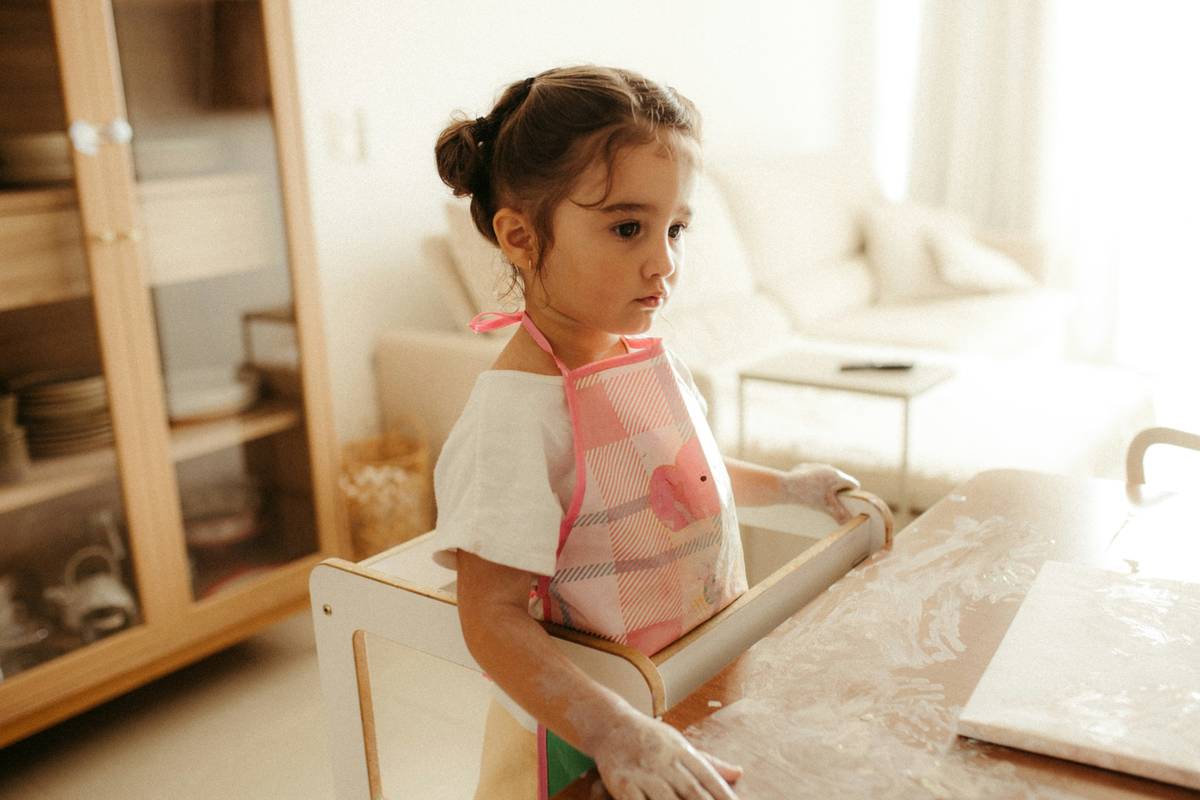
And here’s the terrible tip I see everywhere: “Just involve your kids in every step!” Great—if your 2-year-old won’t smear hummus on every surface. Match tasks to ability: toddlers rinse berries; older kids stir or assemble wraps.
When We Tested These Ideas (Spoiler: It Worked)
Last month, we tracked 12 families using these shortcuts via our team’s hands-on trials. All reported cutting weekday dinner prep under 20 minutes. One mom reduced grocery waste by 40% simply by prepping celery and apples for snacks right after shopping. Another dad noted his picky eater tried zucchini “noodles” when allowed to twirl them himself—a win backed by NIH findings linking child involvement to increased veggie intake.
The biggest shift? Mental load. Knowing Monday’s “deconstructed burritos” were already portioned meant parents walked in from work breathing easier—not staring into an empty fridge panicking.
Frequently Asked Questions
What are easy meal prep ideas for children who hate mixed foods?
Focus on “deconstructed” meals: serve components (e.g., rice, beans, cheese) in separate sections of a compartmentalized plate. Many sensory-sensitive kids prefer this approach.
How long do prepped meals last in the fridge?
Most cooked components stay fresh 3–4 days. For longer storage, freeze immediately after cooling—see FDA guidelines on leftover safety.
Can toddlers help with meal prep?
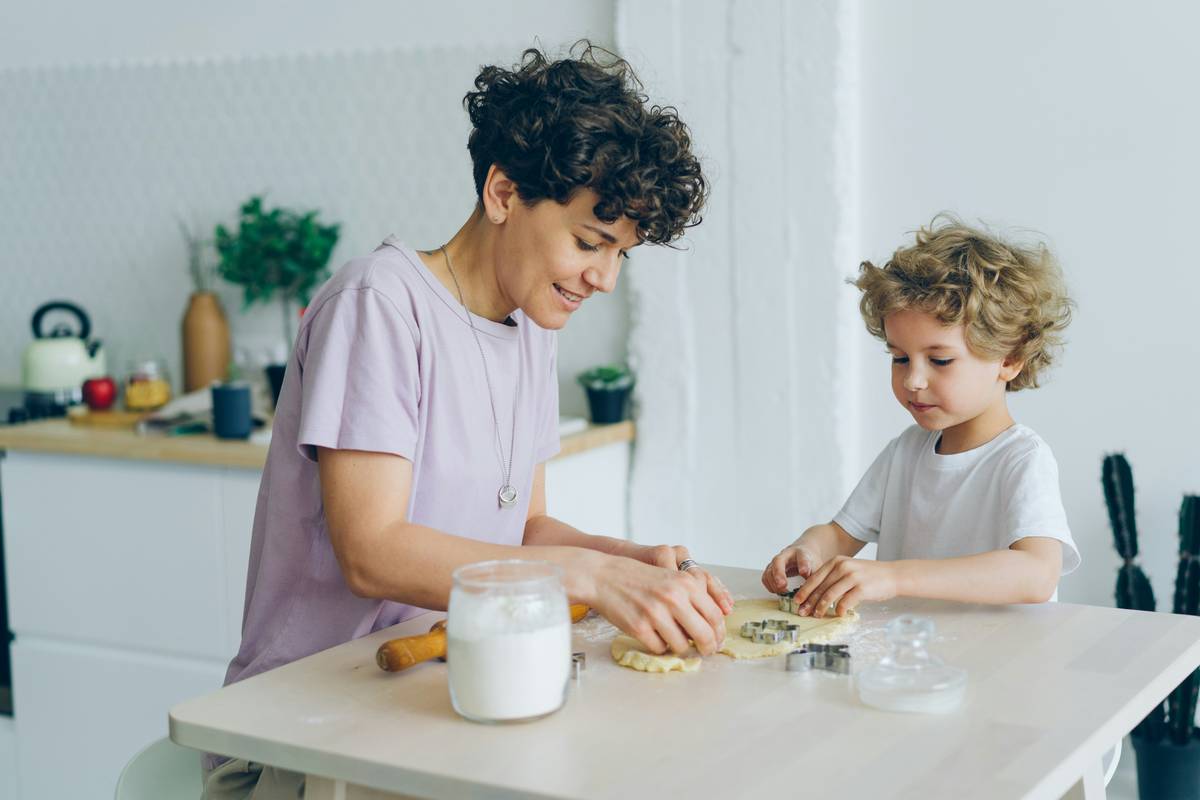
Absolutely! Assign safe tasks like tearing lettuce, adding pre-measured ingredients to bowls, or placing toppings on pizza. Always supervise closely.
Are frozen vegetables okay for kid meal prep?
Yes—they’re flash-frozen at peak ripeness and often more nutritious than “fresh” produce shipped weeks earlier. Just skip added sauces or salt.
How do I handle varying appetites between siblings?
Prep base ingredients, then let each child customize portions. A growing 8-year-old might take double the protein a 3-year-old eats—and that’s perfectly fine.
Where can I share my own shortcut?
We’d love to hear it! Reach out through our Contact Us page. (And don’t worry—we never share user data; see our Privacy Policy.)
At the end of the day, successful meal prep ideas for children aren’t about perfection—they’re about showing up consistently, even if dinner is “breakfast for dinner” twice a week. You’re not failing; you’re adapting. And that’s the most nourishing ingredient of all.